The Real Problem Isn’t Data. It’s Focus.
Most teams don’t have a data problem. They have a focus problem.
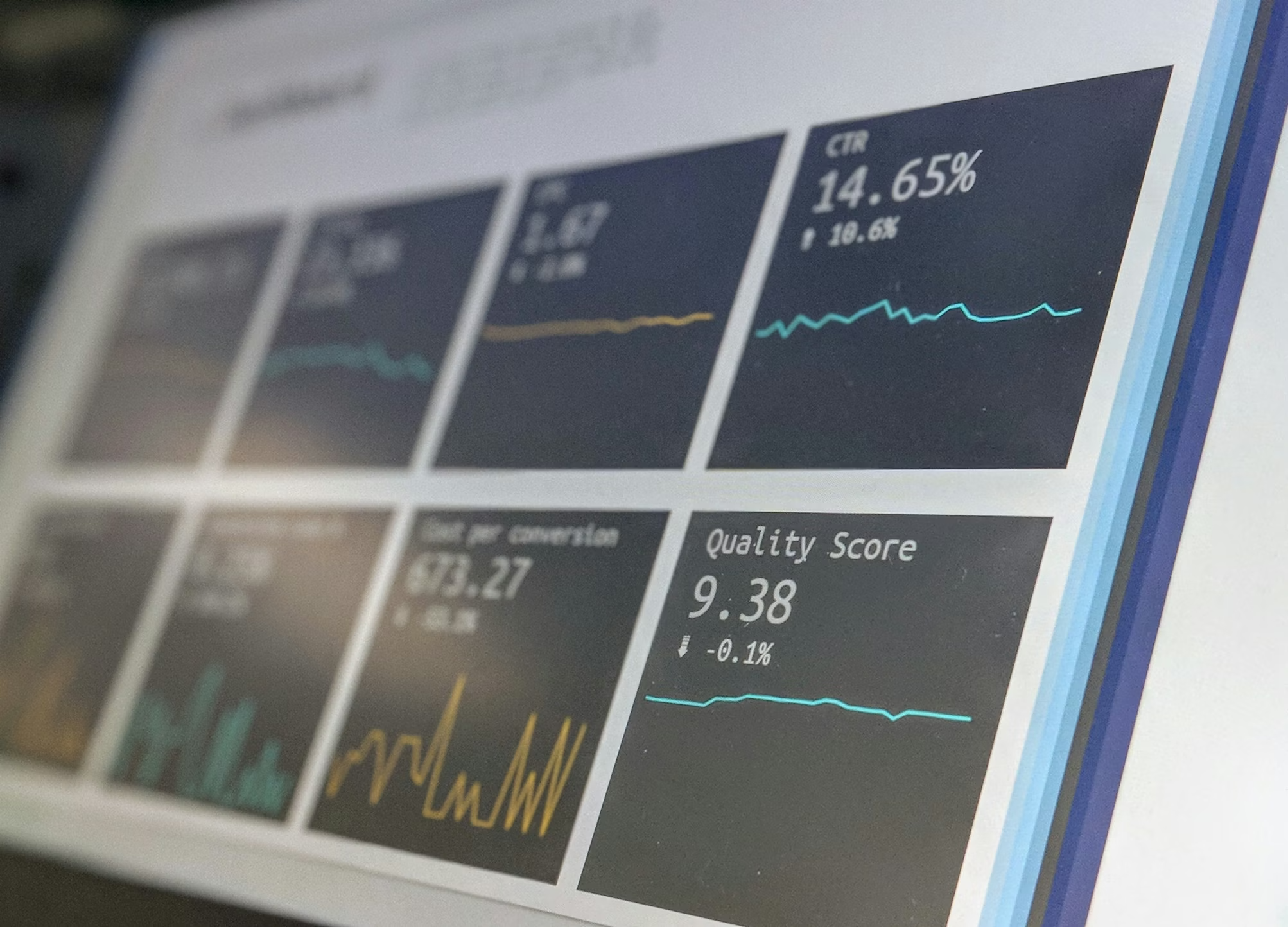
Between marketing automation platforms, CRMs, analytics tools, and endless performance dashboards, most organizations already have more information than they can realistically act on.
What they struggle with is knowing:
- Where to invest time and budget first
With so many channels, campaigns, and tools competing for resources, teams struggle to know which efforts will actually drive meaningful results versus just more activity. - Which prospects deserve attention right now
Not every lead is ready to buy, but without clear signals, sales and marketing teams often waste time chasing low-intent contacts instead of focusing on accounts showing real buying behavior. - How to prioritize sales and marketing efforts for maximum impact
Without a clear way to rank opportunities and initiatives, teams spread themselves too thin, making it harder to concentrate on the actions most likely to drive revenue and growth.
Intent data has gained traction because it promises to help solve this challenge, not by adding more metrics but by signaling where buying interest may already exist.
1. Why “Doing More” Isn’t the Answer
Marketing teams today are under constant pressure to drive growth across an expanding list of channels and initiatives.
Most organizations are juggling:
- Paid media, SEO, email, social, and content
Teams are expected to be active everywhere at once, managing always-on campaigns, constant content production, and performance optimization across platforms that all demand time, budget, and expertise. - Multiple audiences and buyer personas
Marketing is no longer speaking to one customer type, but balancing different industries, roles, pain points, and buying stages, each requiring tailored messaging and experiences. - Increasing expectations for revenue impact
Beyond driving awareness or leads, marketing is now directly accountable for pipeline, revenue, and growth, often with the same or fewer resources than before.
When results stall or growth targets rise, the default reaction is often to increase activity: launch more campaigns, produce more content, and expand into new platforms.
But more activity doesn’t automatically lead to better outcomes.
In reality, many teams are already doing plenty, but without understanding how different channels and signals connect across the funnel, prioritization turns into guesswork.
The real challenge becomes deciding:
- Which prospects are worth prioritizing now
- Where sales outreach will be most effective
- Which marketing efforts deserve more investment, and which should be deprioritized
Intent data has emerged as one approach teams use to bring more focus into this chaos by highlighting buying signals instead of treating every lead or account equally.
2. What Intent Data Is (At a High Level)
Intent data refers to behavioral signals that suggest a company or individual may be actively researching solutions, exploring options, or preparing to make a purchase.
Intent data typically comes from two sources:
- First-party intent data: signals from your own channels, like website behavior, content engagement, email clicks, and product interactions
- Third-party intent data: aggregated behavioral signals from across the web that indicate when buyers are researching specific topics or solutions
Together, these signals help teams understand not just who is engaging, but where buyers are in their decision journey.
Rather than relying solely on form fills or website visits, intent data looks at broader patterns of interest, such as:
- Engagement with relevant content topics
Repeatedly consuming articles, guides, videos, or resources related to specific challenges or solutions, signaling growing interest in a particular problem area or approach. - Research activity across industry platforms
Comparing vendors, reading reviews, downloading reports, or visiting industry sites and marketplaces where buyers typically evaluate options and educate themselves. - Increased interaction around specific product or service categories
Spending more time exploring certain solution types, features, or use cases, which often indicates movement from general awareness toward active consideration.
These behaviors don’t guarantee a sale, but they can indicate heightened buying interest.
The real value of intent data is prioritization.
It helps marketing and sales teams identify which accounts may be further along in their buying journey and focus efforts accordingly.
Instead of asking, “Who could buy from us someday?” intent data helps ask, “Who appears to be actively exploring solutions right now?”
3. What Intent Data Is Not
While intent data can be useful, it’s often misunderstood or oversold.
To use it effectively, teams need realistic expectations.
Intent data is:
Not a guarantee of purchase
High intent signals increase likelihood. They don’t ensure conversion. Deals still depend on fit, timing, budget, and execution.
Not a replacement for strong fundamentals
Clear messaging, defined target audiences, and effective sales processes remain essential. Intent data simply helps guide focus.
Not something that works in isolation
Without context, intent signals can be misleading or create noise rather than clarity.
When teams expect intent data to drive results on its own, disappointment usually follows. Its strength lies in supporting strategy, not replacing it.
4. How Teams Use Intent Data Strategically
When applied thoughtfully, intent data is typically used to improve focus and alignment across marketing and sales.
Common strategic uses include:
Prioritizing sales outreach
Helping reps concentrate on accounts showing stronger buying signals instead of cold outreach across large lists.
Guiding account-based marketing efforts
Focusing campaigns and personalization on companies demonstrating active interest in relevant topics.
Aligning marketing and sales teams
Creating a shared understanding of which accounts are warming up and deserve coordinated effort.
Informing budget and channel decisions
Allocating spend toward audiences or segments showing higher purchase intent.
Across all of these use cases, the goal remains the same: concentrate resources where momentum already exists instead of spreading effort evenly.
5. Where Intent Data Fits (And Where It Doesn’t)
Intent data works best as a supporting layer, not the foundation of a marketing strategy.
It becomes significantly more valuable when paired with:
- A clearly defined ideal customer profile (ICP)
- Clean and accurate CRM data
- Well-established business and revenue goals
Without these fundamentals, intent data often adds complexity rather than clarity.
Teams may chase the wrong accounts, misread signals, or overreact to short-term behavior spikes.
In strong marketing systems, intent data enhances prioritization. In weak systems, it often becomes just another dashboard to manage.
6. A Smarter Way to Think About Intent Data
Rather than viewing intent data as a breakthrough growth tool, it’s more helpful to see it as:
- A focus signal that highlights where interest may already exist
- A prioritization input that guides effort and investment
- A way to reduce wasted activity instead of increasing volume
Used properly, intent data shifts marketing strategy from “reach everyone” to “engage where readiness is highest.”
It supports smarter decisions, not busier calendars.
Intent data is one of many tools marketing teams are exploring to improve focus and efficiency.
The real opportunity isn’t in collecting more signals. It’s in understanding which ones actually support business goals.
At TribalVision, we help teams evaluate tools like intent data within the broader context of strategy, operations, and real-world constraints.
If you’re exploring intent data and wondering how it fits into your overall marketing approach (or whether it should), we’re happy to help you think it through.